November, 2026
by Marie Casey
2026 State Conference: Connecting & Inspiring
Paul Simon’s catchy lyrics, “These are the days of miracle and wonder,” would be an apt theme for the content and impact of the recent summer 2026 State Conference.
The gathering was masterminded and hosted by the three St. Louis regional chapters of the Missouri Master Naturalists. Some 220 attendees – about 20% of all Missouri Master Naturalists – gathered in St. Louis June 12-14 to learn from speakers, field trips and one another. Christine Evans and Jessica Eilerman led a 15-member committee to organize the conference.
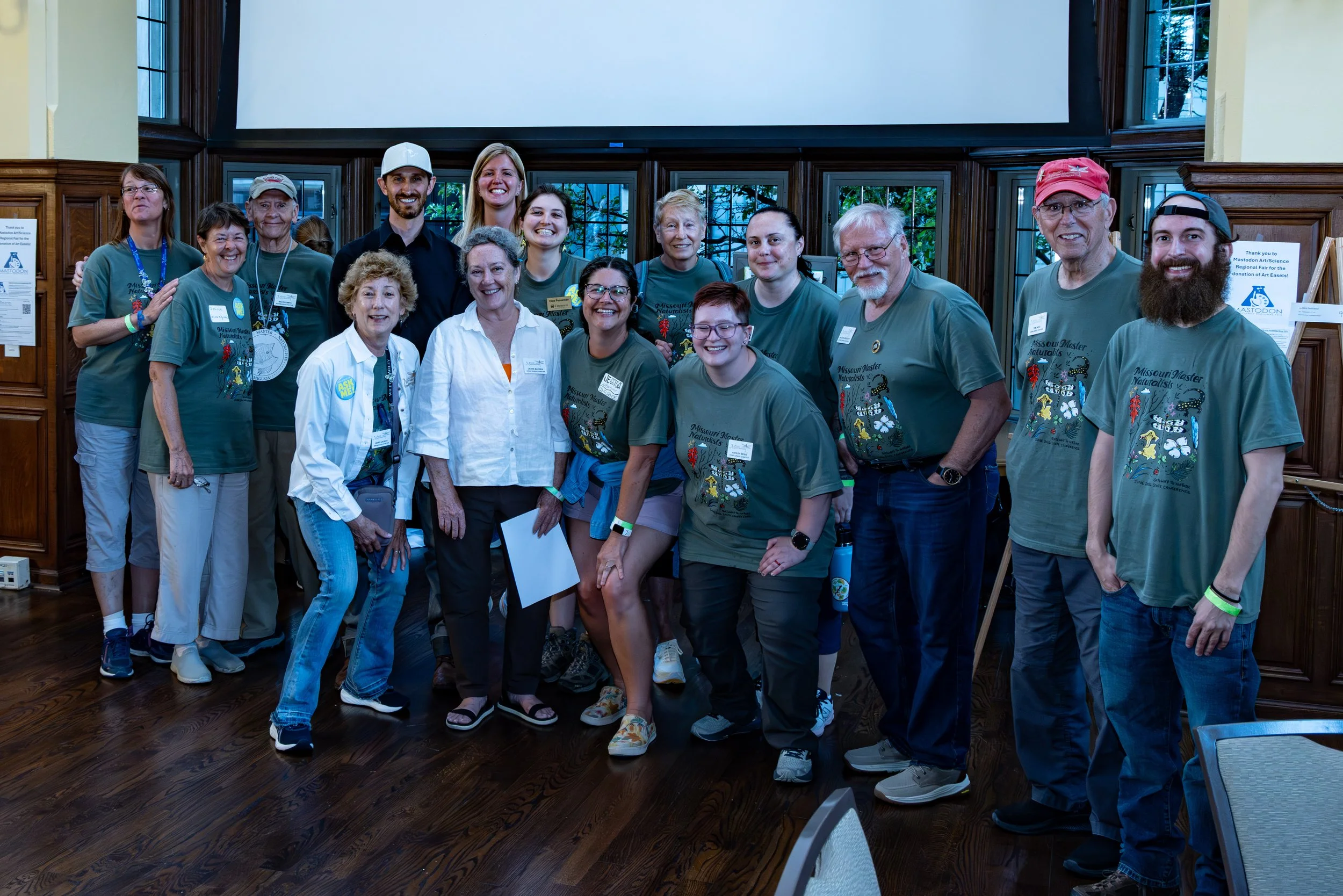
A 15-member committee organized the 2026 Missouri Master Naturalist State Conference in St. Louis, held June 12-14.
“St. Louis is truly a gateway city for nature,” said Michael Meredith, who led programming efforts for the conference. “We were able to show off many nature-based St. Louis organizations to a statewide audience, all within a relatively short distance from our base camp at Washington University.”
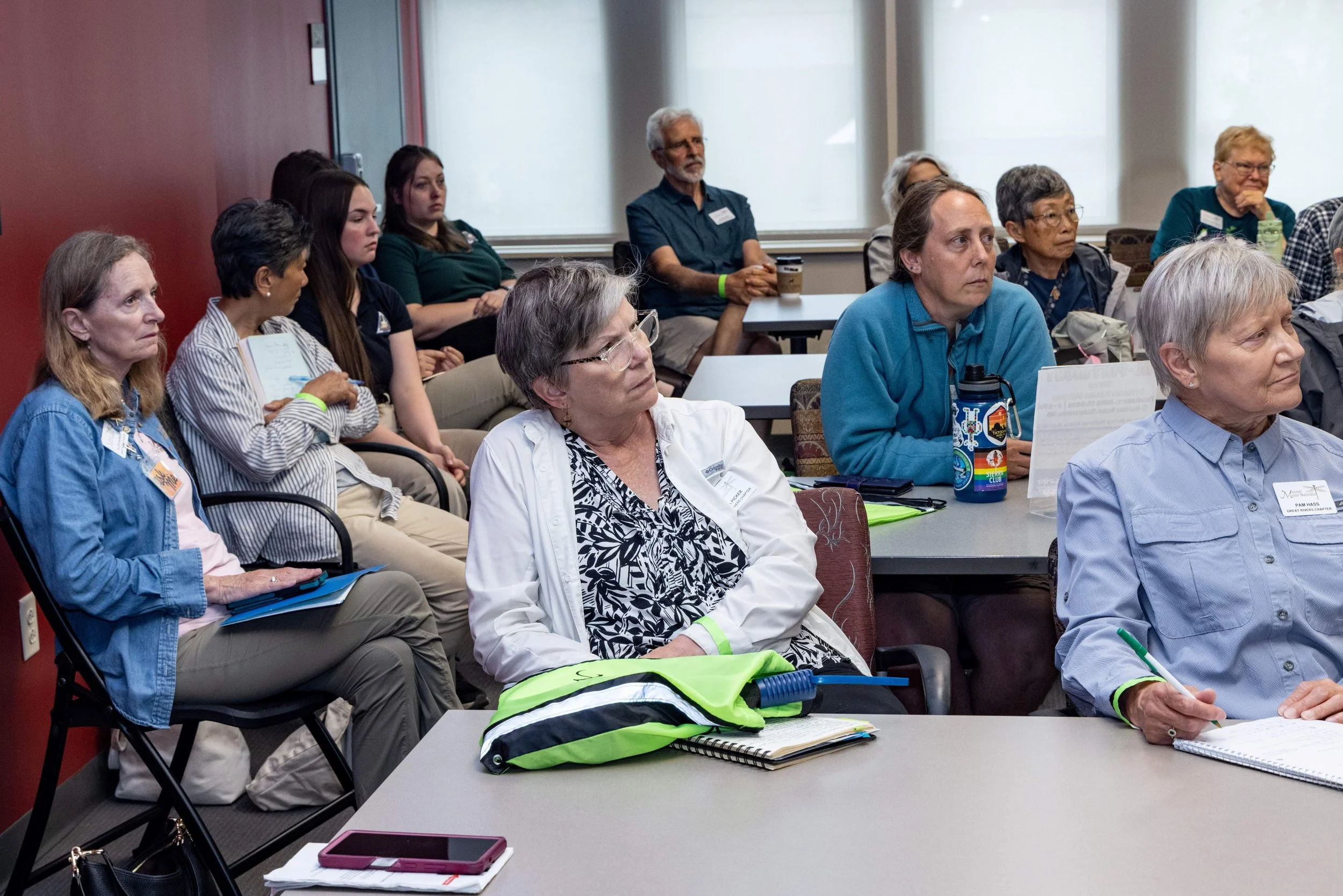
The sessions balanced moderate Advanced Training sessions with ultra Advanced Training, Meredith said. Invited speakers were delighted to share expertise with Missouri naturalists, recognizing the value of their work in the community.
After considering a number of venues, Desirée White worked with Washington University to nail down accommodations and campus meeting spaces for the 39 sessions offered on-site. For the 33 field trips, Rosanne LeBaige managed logistical details and other arrangements.
The team effort built on prior state conferences hosted by other chapters to learn from nature experts and be amazed by the diversity of study and effort for nature in Missouri.
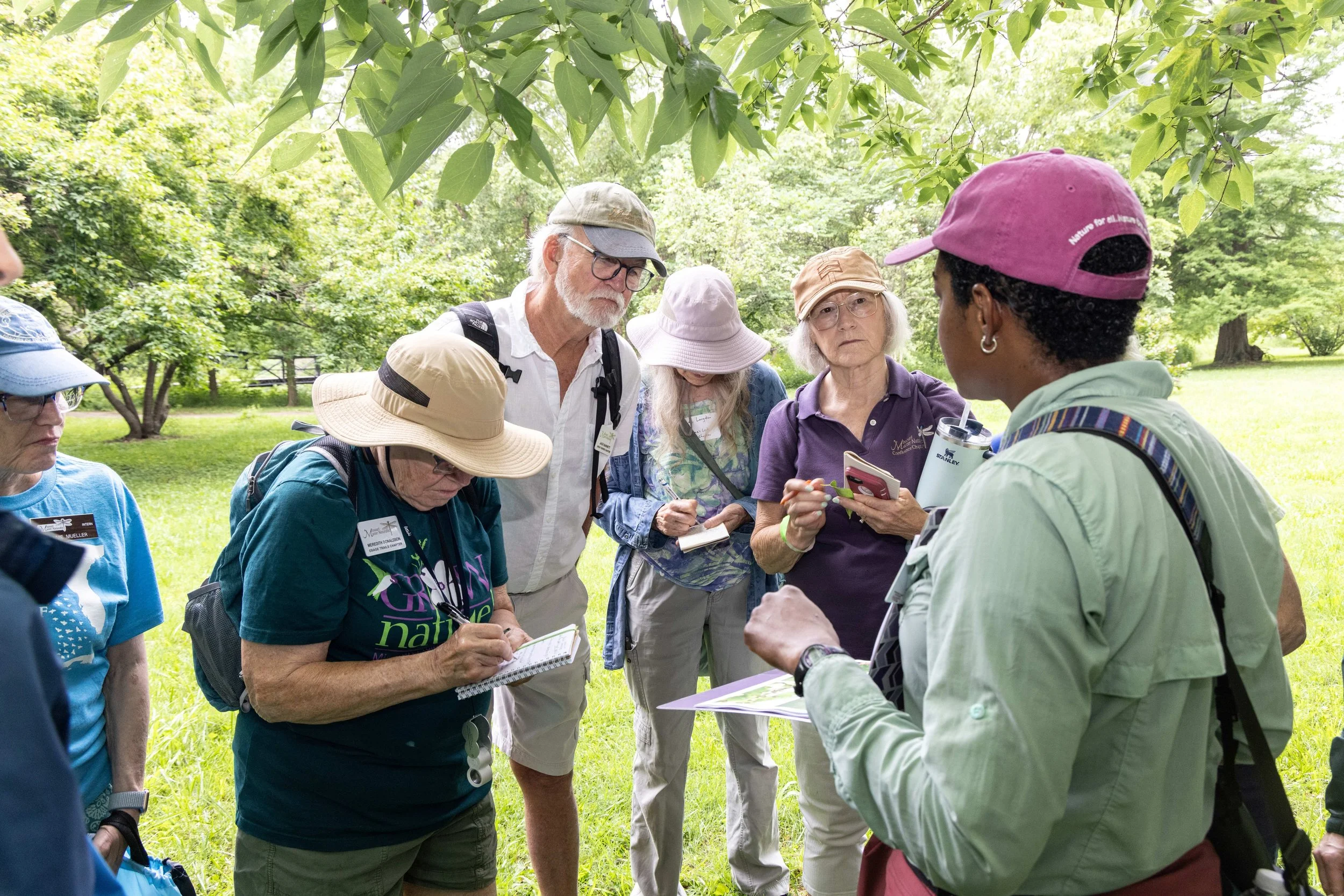
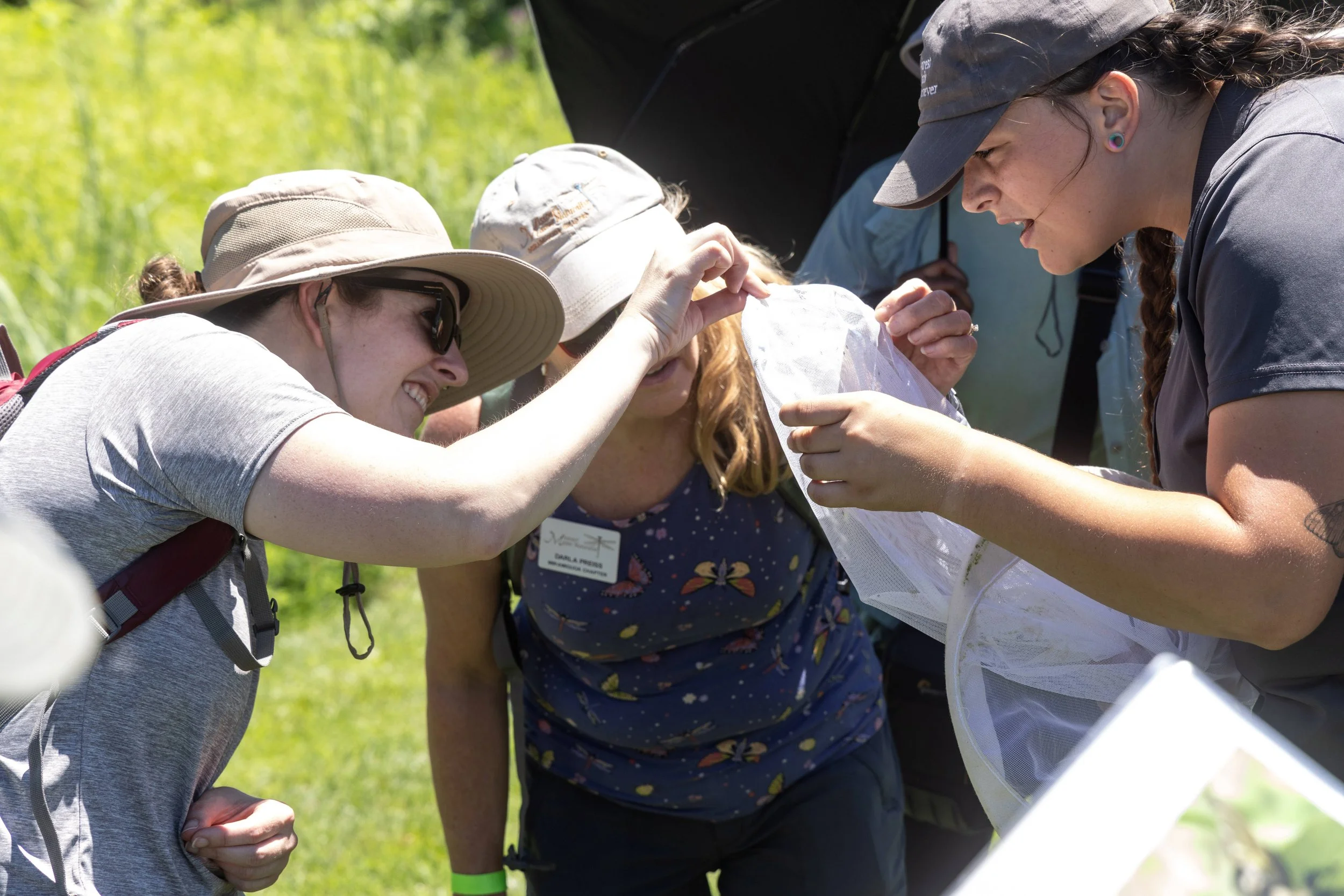
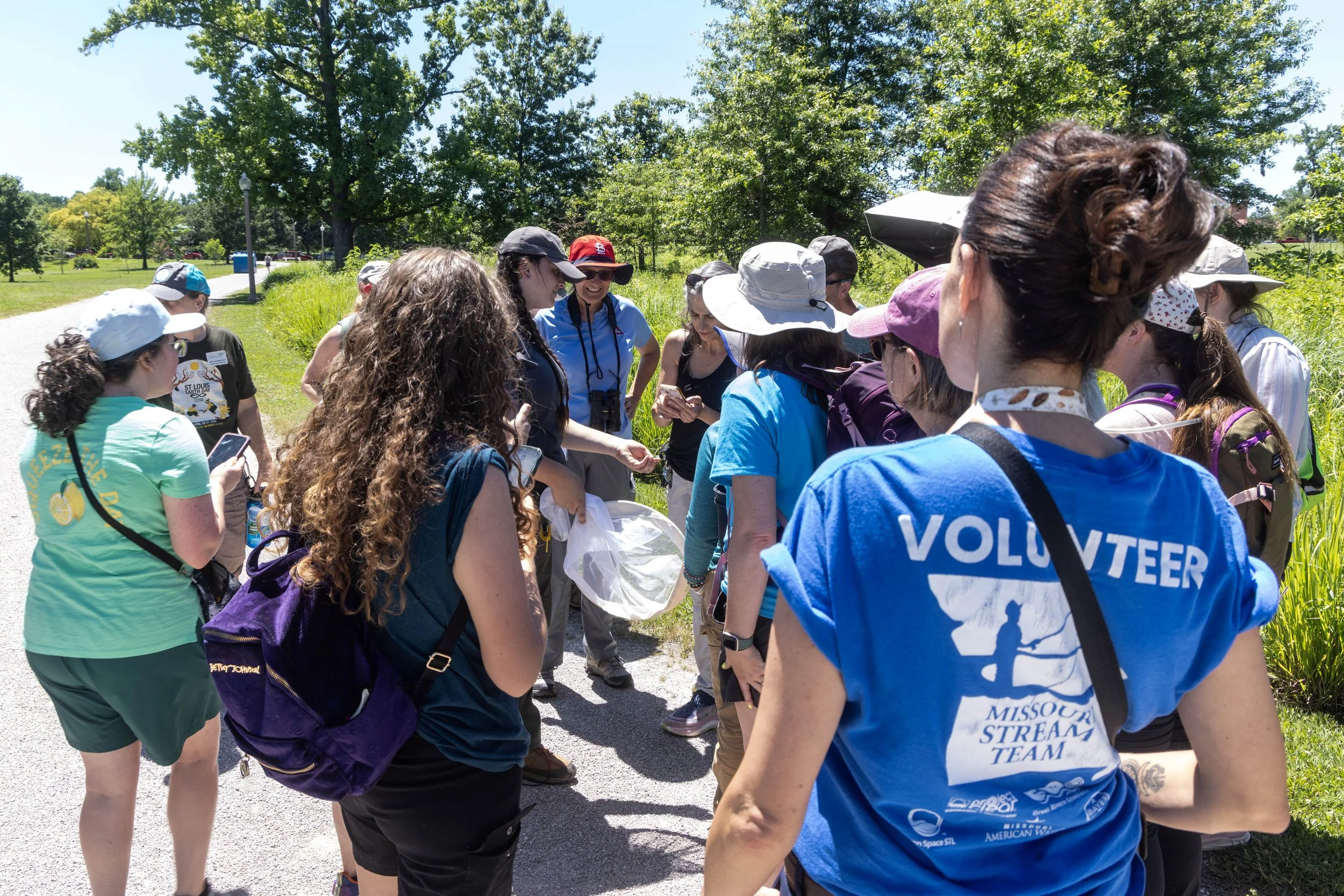
Field trip participants learned hands-on about galls from Daria McKelvey (far right).
A Few Highlights
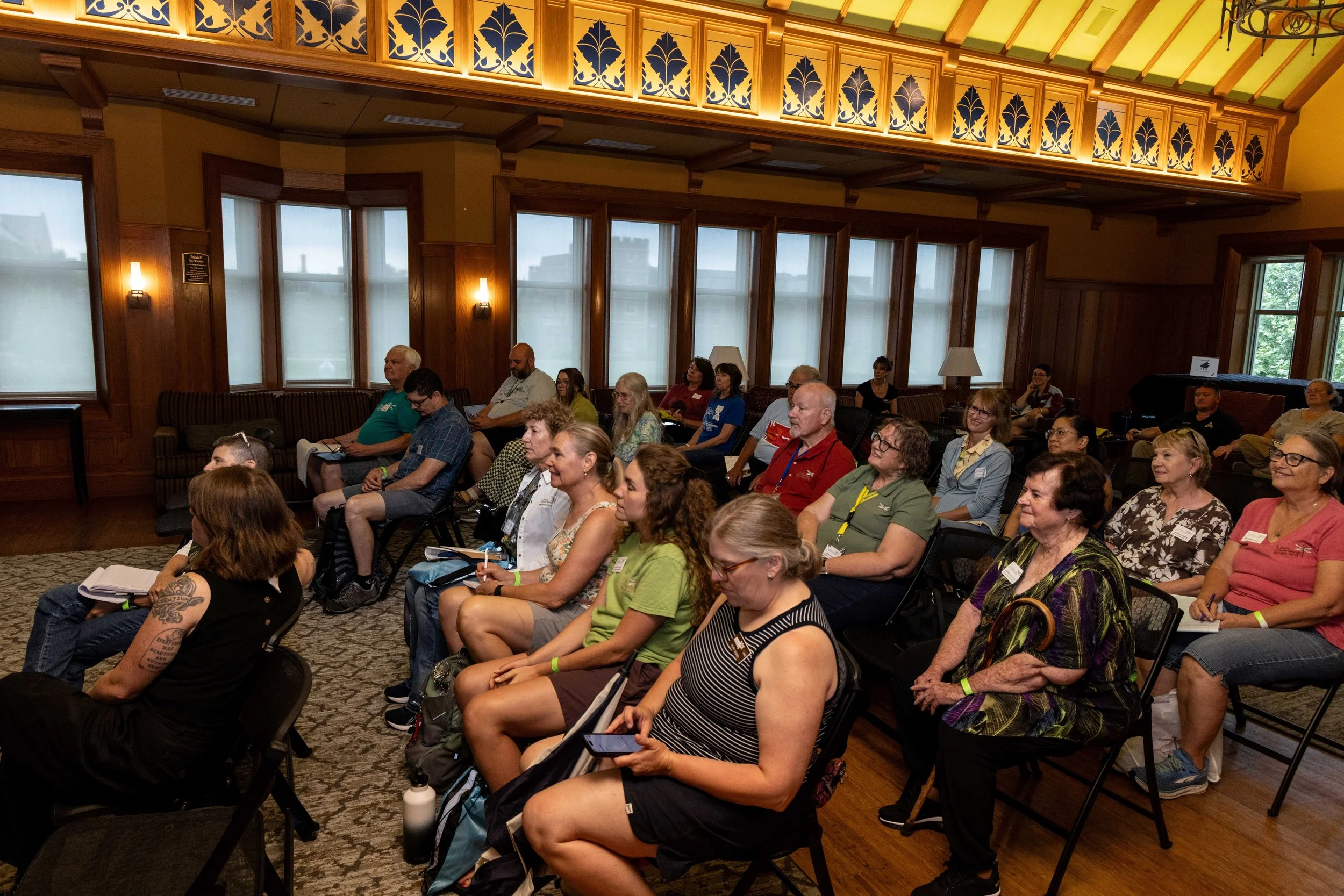
Two sessions tapping into Indigenous subjects were very popular. With rain falling, a 40-person gathering circle formed in Holmes Lounge at Washington University to learn about the “Indigenous Way of Thinking.” Session leaders were both Navajo: Pamela Begay, director of indigenous studies at Washington University, and her husband, Manley A. Begay Jr., a Northern Arizona University professor with expertise in indigenous nation-building and director of the university’s Tribal Leadership Initiative. “Manny talked about how therapeutic it is to go outside and howl like a wolf,” Meredith said. “Everyone joined in. It was a deafening sound.”
Galen Gritts, a Cherokee Nation member reared in St. Louis, presented a well-attended session on indigenous people in Missouri.
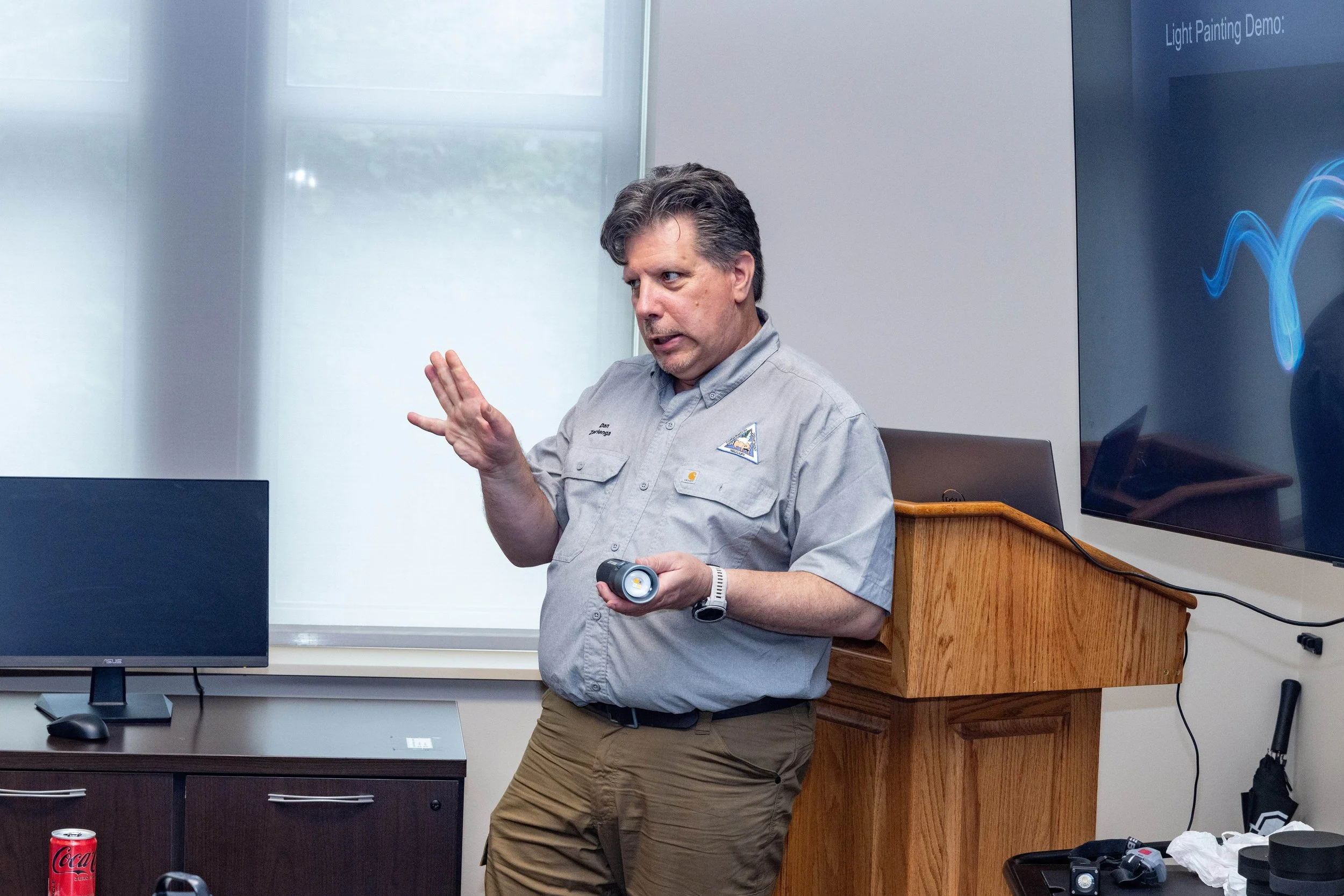
“It’s safe to say that a lot of people who attended the Nightscape Photography session by Dan Zarlenga are trying out what they learned,” Meredith said. A nightscape photographer, Zarlenga works as St. Louis Region media specialist for the Missouri Department of Conservation.
“The Hellbender Tour would have been among the most popular if we didn’t have to limit attendance to 10 people,” he added. “About eight years ago, 75 percent of the known population of Ozark and Eastern Hellbenders in the world could be found at the St. Louis Zoo’s Herpetarium. Attendees learned about their incredible work -- populating successfully in captivity and releasing hellbenders in conjunction with the Missouri Department of Conservation at undisclosed locations to support repopulation in the wild.”
Echo Effect
Speakers and organizations participating in the conference often find their ranks bolstered by new enthusiasts.
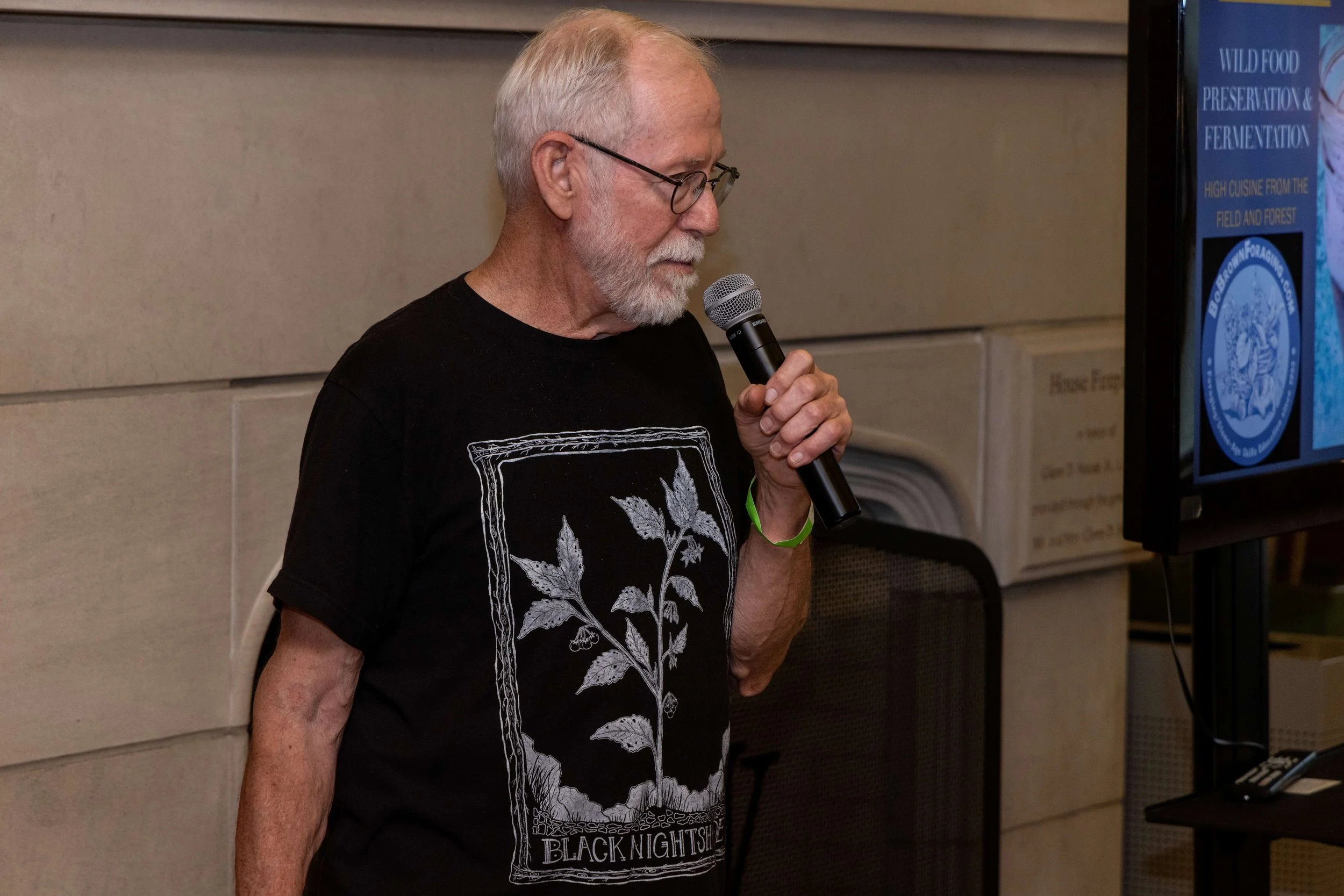
Bo Brown taught a session and led a field trip on edible plants and foraging.
Bo Brown, who led a session on edible plants and foraging, and a field trip to find edible plants in Hidden Creek Savannah in Forest Park, had the subtle benefit of tapping into a project initiated by the Great Rivers Chapter. “There is a big rock there with a metal plaque that talks about our contribution,” Meredith said.
Attendees foraged for edible plants at Hidden Creek Savannah in Forest Park.
Tours at Forest ReLeaf also drew big crowds. “The way they treat and manage volunteers is above and beyond. It is always great to get an introduction to their work on tours,” he added.
A panel on wildlife rescue and rehabilitation featured representatives of the Missouri Wildlife Rescue Center in Ballwin, Wild Bird Rehabilitation in Overland and Wild Bird Sanctuary in Valley Park. The organizations attracted new volunteers enthused by what they learned.
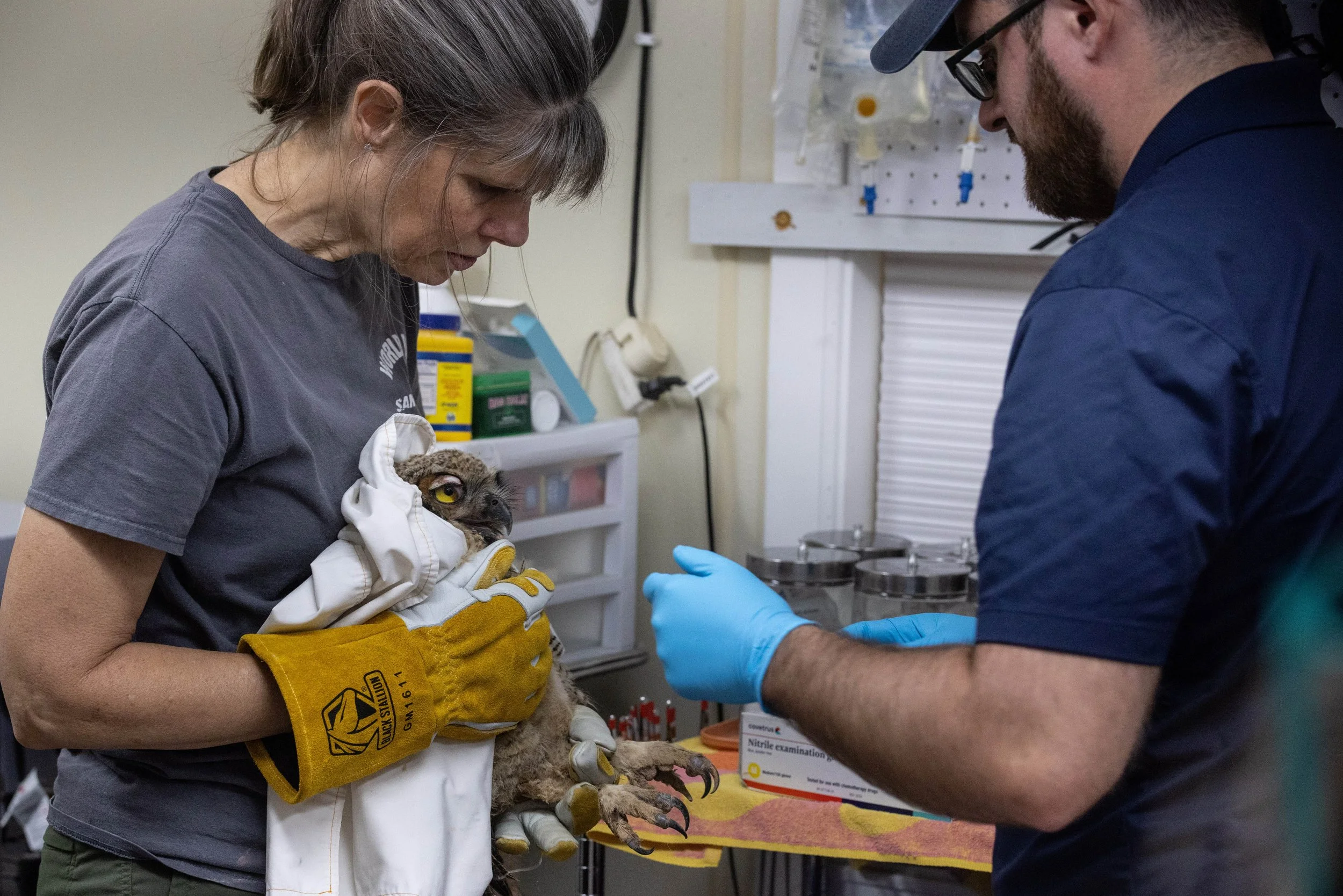
Kira Klebe cared for a recovering bird at Wild Bird Sanctuary in Valley Park, Mo.